


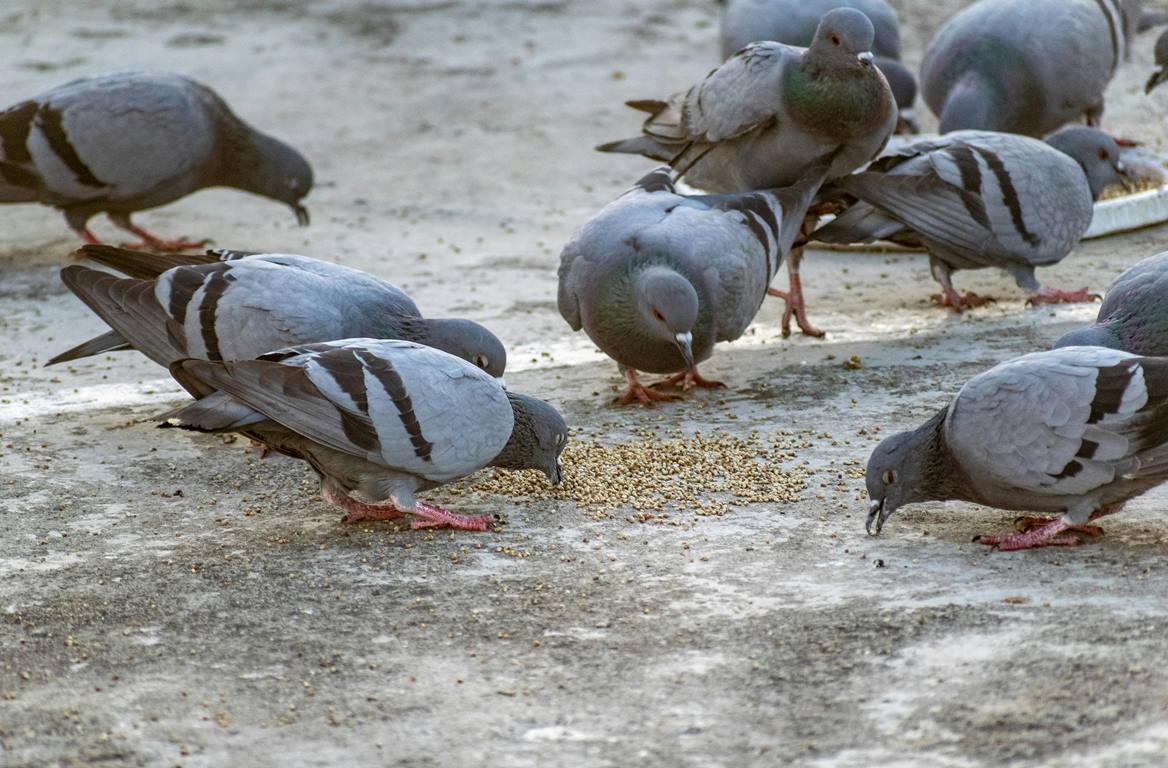
Pigeons are among the most adorable birds in nature. Whether you live in urban areas or in rural communities, you recognize this beautiful bird. Many people like pigeons and find comfort in their companionship. They are generally kept for racing, breeding, show, or as pets. In this blog, we will delve into pigeons’ nutrition and feeding schedules that is the foundation of their health and performance.
Nutrition plays a pivotal role in a pigeon’s overall well-being.
Proper pigeon feed:
Grains are the primary source of energy due to their high carbohydrate content. The corn, wheat, and barley are used according to their needs in different times. Second, popular pigeon feed is legumes and beans. They are the major source of protein, help for muscle development.
Moreover, some pigeon fanciers use commercial pigeon pellets that are formulated to provide balanced nutrition. They are also provided crushed oyster shell and granite for digestion.
Pigeon feeding should be adjusted depending on the bird’s age, purpose, and the season.
Breeding birds need extra protein and calcium for egg and chick development.
Ideal Breeding Mix:
Racing pigeons require high-energy food before flights and protein-rich diets for recovery. A two-phase feeding strategy is common:
Pre-Race Mix:
Post-Race Mix:
Feathers and appearance matter. Omega-3 fatty acids and antioxidants are crucial. Include oilseeds and a varied grain mix.
For non-working pigeons, a balanced pigeon feed works best. Avoid overfeeding to prevent obesity.
General Mix:
Pigeons should be fed once or twice a day depending on the season and purpose.
Portion guideline
An adult pigeon typically eats about 30–40 grams of feed per day. Monitor uneaten feed to adjust amounts and avoid waste.
Always provide clean, fresh water alongside feed. Water should be changed daily, especially in hot or humid weather.
Winter – Increase corn and oilseeds to provide warmth and energy. Limit legumes, which can be harder to digest.
Summer – Reduce high-fat seeds. Focus on hydration and lighter grains like barley and wheat.
With the right nutrition, your pigeons will reward you with vibrant health, excellent performance, and long lives.